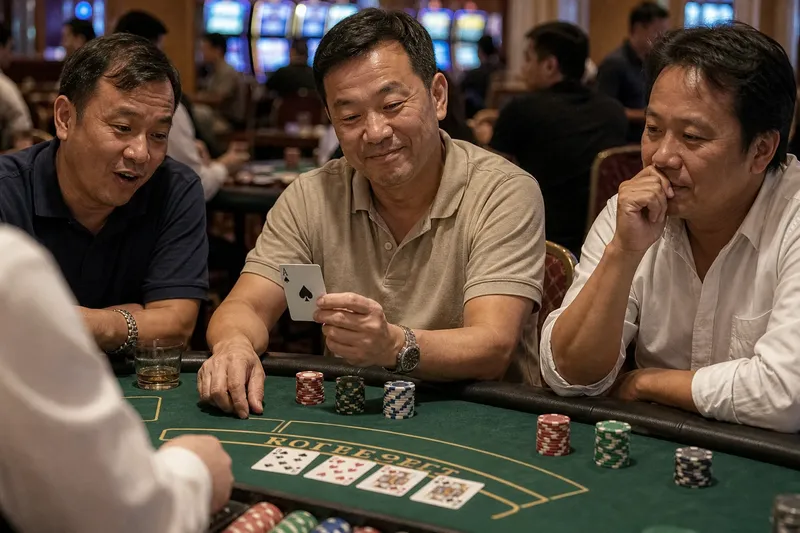
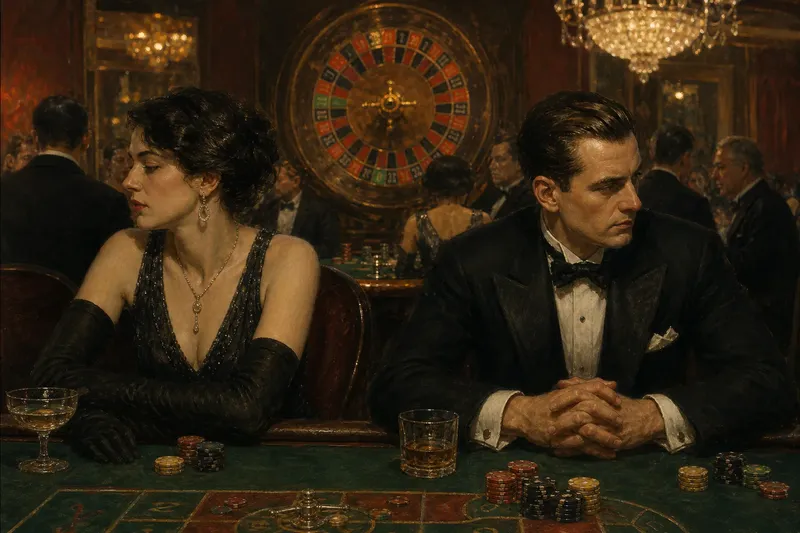
The Quiet Ceremony of Taking a Seat at Casino Biên Hòa
The quiet ceremony of taking a seat at Casino Biên Hòa reveals how greetings, pauses and small courtesies help strangers share a table with ease.
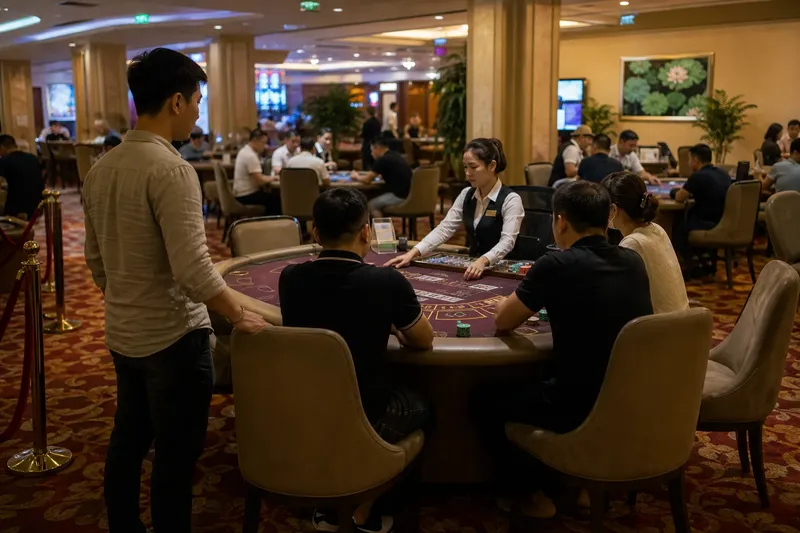
At Casino Biên Hòa, a visitor may pause beside a table, let another player finish a turn, then ask whether a place is free. The quiet ceremony of taking a seat begins before the chair moves: a glance, a small nod, perhaps a hand held back from the felt. These gestures make an arrival legible without requiring a speech.
They are not a fixed local code, and no single movement means the same thing in every room. They are ordinary courtesies shaped by the table’s pace, the people already gathered and the simple fact that nobody wants an elbow arriving before an introduction.
A pause gives the table time to receive you
Standing for a moment is useful because a table is already in motion. Players may be concentrating, waiting for a dealer, or finishing a conversation. A brief pause lets you see which is which before you enter the shared space.
Look for an open place, but also for the small signs that it is genuinely available: a chair pushed back, a player making room, or a clear invitation from staff. An empty seat can still be spoken for by a coat, a companion or the next person expected. Asking first is less awkward than discovering the arrangement after sitting down.
A quiet “May I join you?” is usually enough to settle the matter. If the answer is unclear, wait rather than treating silence as consent. The pause is not a performance of deference; it is a practical way to avoid interrupting a turn or conversation.
Casino Biên Hòa table manners begin with small signals
At a busy table, people often rely on gestures because speech can compete with play. A nod can acknowledge an invitation; an open palm can indicate the seat being offered; a slight step aside can leave room for someone to pass. None needs to be theatrical. The point is to make intentions easy to read.
Keep personal belongings close and out of the shared area. A handbag or phone spread across the table can claim space before anyone has agreed to share it. If you need to move a chair or reach for something, do so without crossing over another player’s cards, chips or hands.
These courtesies are not peculiar to casinos, though a table makes them unusually visible. People take turns speaking and acting; a newcomer has to find a place in that sequence. The gestures are small, but they keep the social order from requiring a committee.
The dealer sets the pace, not the newcomer
When a dealer is present, watch for a natural break before asking to sit or joining play. A hand in progress is not the moment to reach across the table or ask several questions at once. Wait until the dealer can respond, then follow the room’s ordinary process for taking a seat.
Different games and venues handle seating, entry and table limits differently. A staff member can explain what applies at that table. House rules, posted notices and local requirements take precedence over assumptions based on another venue.
Once seated, take a moment to orient yourself. Notice where the dealer keeps the cards, where players place their hands and how turns move around the table. This is observation, not an invitation to copy every mannerism. A newcomer who watches briefly is easier to accommodate than one who begins rearranging the scene.
Small courtesies matter more than polished manners
Say hello if the moment allows, and acknowledge a welcome with a nod or a brief thanks. There is no need to introduce your life story while everyone is waiting to play. A calm greeting recognises the group without demanding its attention.
If you arrive with a companion, avoid treating the seat beside you as automatically reserved. Ask whether the place is free, and let the answer guide you. Likewise, if someone is already waiting, make room when you can rather than turning a chair into a private boundary.
Imagine you reach a table just as a hand ends and see one empty chair between two players. You wait until the dealer looks up, ask whether the seat is open, and move your bag beneath your own chair after receiving a nod. The observable result is simple: the next hand can begin without anyone needing to negotiate around your belongings.
What should a newcomer notice before sitting?
How can you tell whether a seat is available?
Look for an unoccupied chair and an invitation, then ask a player or staff member rather than relying on appearance alone. A visible gap is a clue, not permission.
Should you wait until a hand ends?
Usually, yes: waiting for a pause avoids distracting players or the dealer. If staff indicate that seating is fine sooner, follow their direction.
What belongs on the table?
Keep the shared surface clear of personal items unless the venue or game calls for something else. Place belongings beside or beneath your seat so they do not obstruct another person.
What if nobody answers?
Step back and ask a member of staff, or choose another table. Silence can mean that people are occupied; it does not need to become a contest of persistence.
Leave the elaborate rituals to the movies
There is little value in copying a supposed “lucky” entrance, tapping a chair, or arranging belongings according to an invented system. Such habits may be personally amusing, but they do not help other people understand whether you are joining, waiting or simply passing through.
The more useful ritual is modest: pause, ask, accept the answer, and settle without taking more space than you need. At Casino Biên Hòa, as at any shared table, that quiet sequence gives the group a moment to make room for one more person. The chair is only furniture; the courtesy is what makes it a place to sit.